Shipping · 3 min read
Coco peat HS code: how it is classified and why it matters for duty
Buyers often ask for the HS code before anything else, because it decides the duty rate, whether a certificate of origin is worth having and which plant health checks apply. Coco peat sits in a heading most people have never heard of, and not every customs service agrees.
By SK Ceylon ·
The usual heading: 1404.90
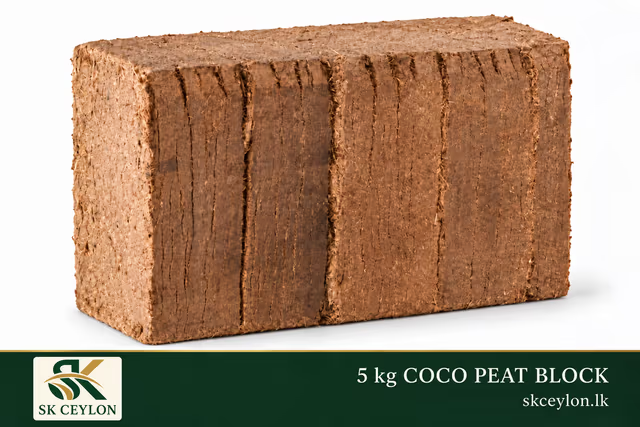
The Harmonized System has no heading that names coco peat. The pith left after fibre is extracted from coconut husk is treated as a vegetable product not specified elsewhere, which puts it in Chapter 14 under heading 1404, subheading 1404.90. Sri Lanka Customs breaks that subheading down further and carries a national line for coconut coir pith, compressed or not, so Sri Lankan export declarations and the Sri Lankan Customs statistics for coco peat use a 1404.90 code. US Customs rulings on coco peat blocks from Sri Lanka and India have reached the same heading.
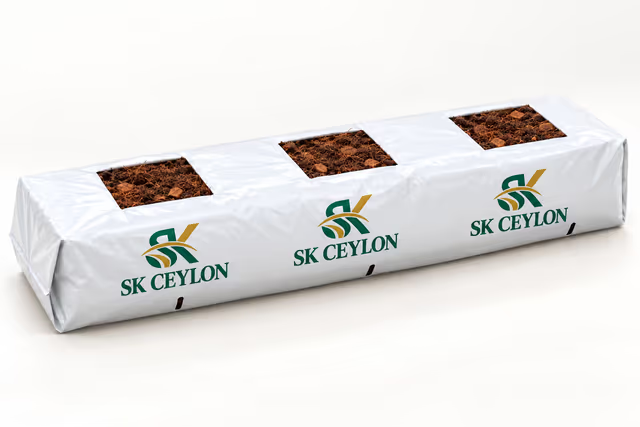
Whether the material is compressed into blocks, pressed into grow bags or discs, washed or unwashed, does not change the heading, because none of those steps turns the pith into a different product. A grow bag with printed film is still a block of pith in a bag.
Where 5305, 2703 and 3824 come from
| Heading | What it covers | When it is used |
|---|---|---|
| 1404.90 | Vegetable products not elsewhere specified | The normal classification for coco peat and coir pith in Sri Lanka and most importing countries |
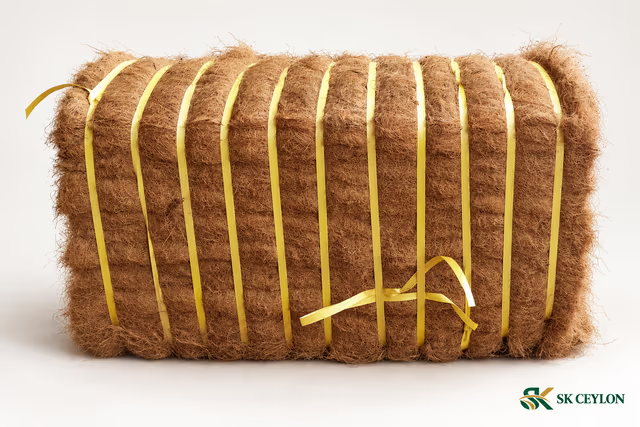
| 5305.00 | Coconut (coir) and other vegetable textile fibres, raw or processed but not spun, including tow and waste | Coir fibre bales. Some older customs rulings also put coco peat here as fibre waste |
| 2703.00 | Peat, including peat litter, whether or not agglomerated | Sphagnum peat moss. Occasionally applied to coco peat sold as a peat substitute, but coco peat is not peat |
| 3824 / 3101 | Prepared growing media or fertilisers | Blended, fertilised or otherwise formulated substrates. Plain washed or buffered pith is not usually treated as a preparation |
If your broker proposes a heading other than 1404.90, ask for the reasoning and, for a long-term supply arrangement, consider requesting a binding tariff ruling from your customs authority. A ruling fixes the classification for several years and removes the risk of a reassessment later.
Six international digits, then national ones
The World Customs Organization fixes the first six digits. Each country adds its own: Sri Lanka uses an eight-digit code with national subdivisions, the EU uses an eight-digit Combined Nomenclature code with further TARIC digits for measures, the US uses a ten-digit HTS code and India uses an eight-digit ITC-HS code. So 1404.90 is the shared part, and the exporter’s full Sri Lankan code will not match your import code beyond those six digits. That is normal and is not an error on the documents.
Why the code matters to a buyer
- Duty rate. Products of heading 1404 attract low or zero duty in many markets, but the rate is set by your tariff schedule and should be confirmed by your broker.
- Preferential origin. If your country has a trade agreement or preference scheme with Sri Lanka, a certificate of origin from Sri Lanka can reduce the duty further. The exporter obtains it from the chamber or the Department of Commerce; tell them which form your customs accepts.
- Plant health controls. Border plant health checks are triggered by the nature of the goods and the declared code, so a code that signals a plant product also tells the border agency to expect a phytosanitary certificate.
- Statistics and contracts. Your purchasing system, insurance policy and letter of credit will all carry the code, so agree it before the first shipment and keep it consistent.
What appears on the shipping documents
The commercial invoice and packing list carry the HS code the exporter declares to Sri Lanka Customs, the description of the goods, the net and gross weights and the unit count. The bill of lading carries the description and weights. The certificate of origin carries the code and description and must match the invoice. If you need a particular wording for your import declaration, for example ‘coconut coir pith, compressed, unused growing medium’, give it to the exporter before the documents are drawn up.